
Antifouling
Boat antifouling explained: paint, cleaning and ultrasonic
Antifouling is anything that keeps slime, weed and barnacles off the hull. Most boats rely on paint, a diver or both. Here is what each does, what decides how often you antifoul, and how ultrasonic helps your antifouling last longer.
Why it is needed
Everything in the water fouls
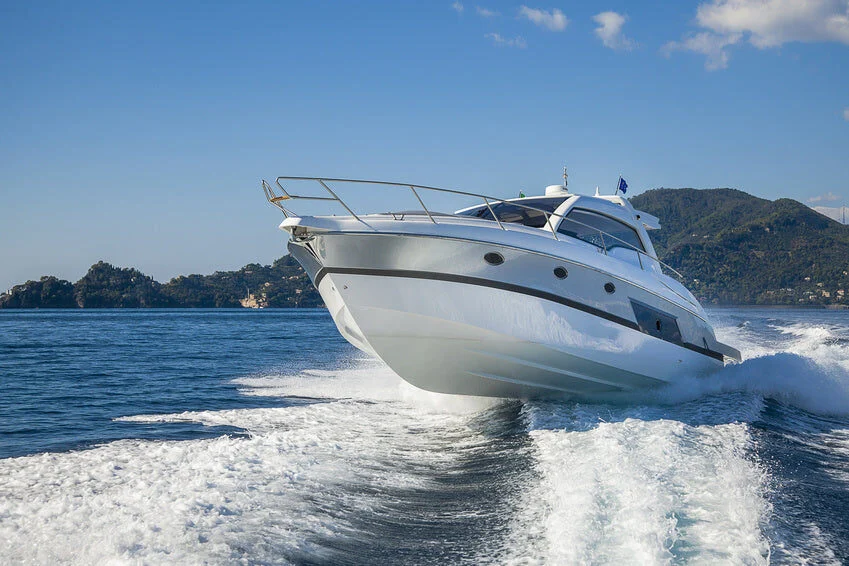
A hull left in the sea collects a film of slime, then weed, then barnacles (why barnacles settle). A fouled hull is slower, burns more fuel under power, and needs more haul-outs and diver cleans. Antifouling slows that down.
The options
Four ways to keep a hull clean
Coating
Antifouling paint
The usual answer. Biocide in the paint slows growth. Ablative paints wear away slowly to expose fresh biocide; hard paints stay put. Either way the paint wears out and is renewed at a haul-out, and boats that sit still foul fastest.
Coating
Copper and foul-release coatings
Long-life copper-epoxy coatings such as Coppercoat need regular light cleaning to stay active. Silicone foul-release coatings are slippery, so growth that settles comes away more easily.
Cleaning
A diver or a scrub
Removes growth after it has formed, in the water or at a haul-out. It is a cost that comes round again, and scrubbing wears the coating.
Ultrasonic
HullSonic
Stops growth settling in the first place, around the clock, from inside the hull. Nothing goes into the water, and it works alongside any of the others.
How it worksHow the methods compare, on their own and with HullSonic.
Haul-outs
How often do you need to antifoul?
It depends less on the calendar than on the boat and the water:
- The water. Warm, sheltered water fouls fastest.
- How much the boat moves. A boat that sits on its mooring for weeks fouls faster than one used every weekend.
- The coating. Paints and coatings differ in how long they keep working.
- Cleaning. Every scrub takes off growth, and some of the coating with it.
Making it last
Make your antifouling last longer
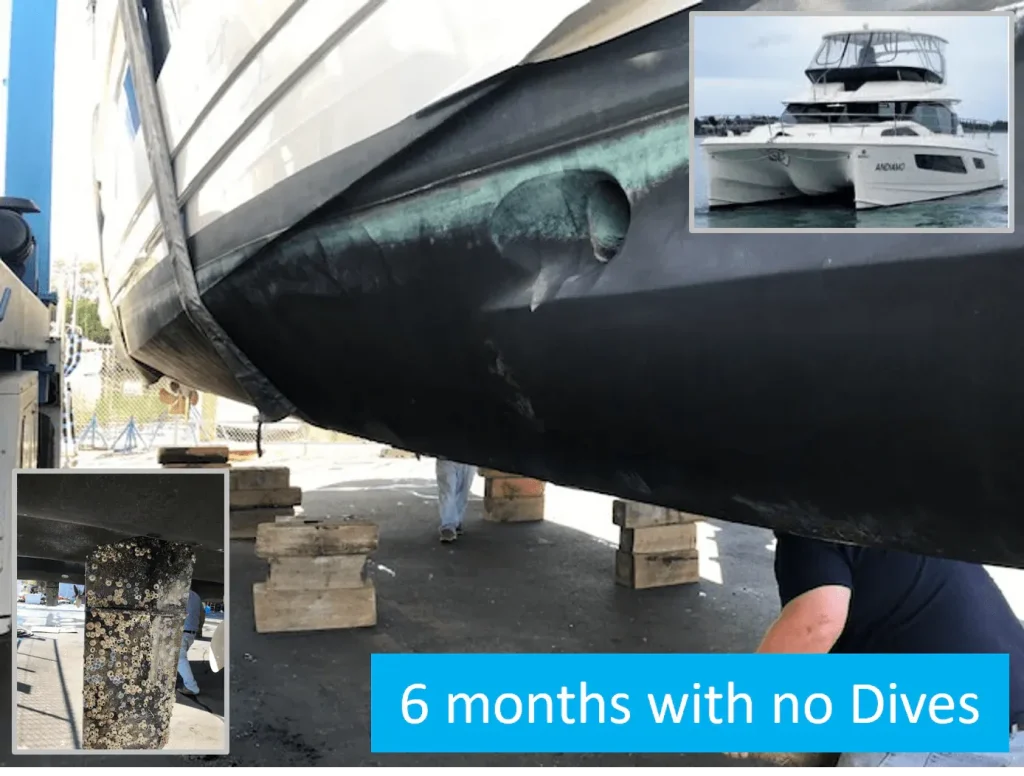
HullSonic does not replace antifouling paint. It takes the pressure off it: with ultrasound keeping the film of slime from forming, the paint has less growth to hold off and can last two to three times as long before a recoat.
That could mean fewer haul-outs and fewer diver cleans. What you gain depends on your boat, your water and how you use it; the savings calculator estimates it from your own figures.
“My 44-foot Aquila power cat has now been in the hot, fertile, Sarasota water for approximately six months. In that time, I have not cleaned the hull once.” Rick R., Aquila 44 power catamaran, Sarasota, Florida
Fitting
Adding HullSonic to your boat
- Suits GRP, aluminium and steel hulls; not timber or ferro-cement.
- The transducers bond to the inside of the hull, so nothing goes through it. Most owners fit it themselves in a day, or an installer does it.
- Fit it to a clean hull, after a haul-out or a dive: it keeps new growth off, it does not remove what is already there.
- The layout planner shows how many transducers your boat needs and where they go.
See the layout for your boat
Pick your boat, drive and what you want protected. The layout planner draws the transducer positions on your hull and shows the HS or MAX system that fits.